
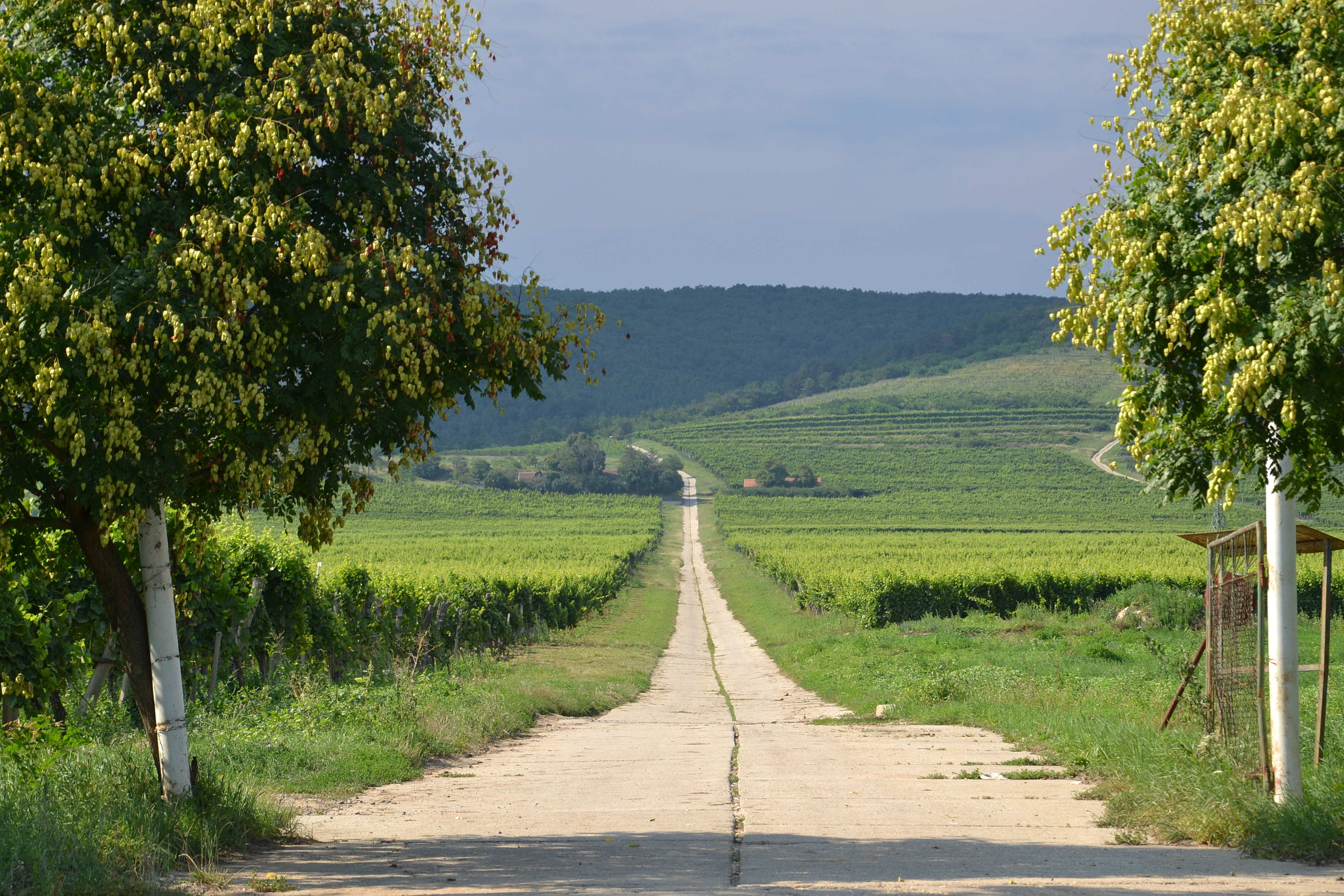
Nestled in the northeastern corner of Hungary, where the Bodrog and Tisza rivers converge, the Tokaj-Hegyalja wine region holds a place of unparalleled significance in the history of European winemaking. This relatively small stretch of volcanic hillsides was the first officially classified wine region in the world, predating the Bordeaux classification by over a century. In 2002, UNESCO inscribed the Tokaj wine region as a World Heritage Site, recognising its exceptional cultural landscape shaped by centuries of viticulture.
A Thousand Years of Winemaking Heritage
Wine production in the Tokaj region dates back to at least the 12th century, when Italian settlers brought viticulture to the area following the Mongol invasion. However, it was the development of Tokaji Aszu, the legendary sweet wine, that elevated the region to international fame. By the 17th century, Tokaji was the preferred wine at the courts of European monarchs. Louis XIV of France famously called it "Vinum Regum, Rex Vinorum" (Wine of Kings, King of Wines).
The classification of Tokaj-Hegyalja vineyards began in 1730, more than a hundred years before Bordeaux established its own system. The royal decree of 1757 formally delineated the borders of the wine region, creating one of the earliest examples of appellation control in the world. This long tradition of careful classification reflects the deep understanding that Hungarian winemakers have always had regarding the relationship between terroir and wine quality.
Terroir and Climate
The Tokaj region benefits from a unique combination of geological and climatic conditions that create ideal circumstances for producing both extraordinary dry wines and the famous sweet Aszu. The vineyards are planted on volcanic soils of rhyolite, andesite and loess, which provide excellent drainage and mineral complexity. The elevation ranges from 100 to 400 metres, with most premium vineyards occupying south and southeast-facing slopes that maximise sun exposure.
The autumn climate is particularly crucial for Tokaj's sweet wines. The confluence of the Bodrog and Tisza rivers generates morning mists that blanket the vineyards, creating perfect conditions for the development of Botrytis cinerea, the "noble rot" fungus that concentrates the sugars and flavours in the grapes. Warm, sunny afternoons then dry the berries, preventing harmful grey rot. This delicate balance of moisture and warmth occurs consistently in the Tokaj microclimate, making it one of the world's premier locations for botrytised wines.
Key Grape Varieties
Furmint
Furmint is the undisputed king of Tokaj, covering roughly 60% of the planted area. This late-ripening variety has thin skins that make it especially susceptible to noble rot, yet it also produces outstanding dry wines with bright acidity, stone fruit flavours and a distinctive mineral backbone. In recent years, dry Furmint has gained international recognition as one of Europe's most exciting white wines, drawing comparisons with the best Rieslings and Burgundian whites.
Harslevelu
Harslevelu (meaning "lime leaf") is the second most important grape of Tokaj. It contributes aromatic complexity and a rounder, more floral character to both sweet and dry wines. While often blended with Furmint, varietal Harslevelu wines offer a perfumed bouquet of linden flower, apricot and white peach that is instantly recognisable.
Sarga Muskotaly (Yellow Muscat)
The third permitted variety for Tokaji Aszu, Sarga Muskotaly adds intense grapey aromatics to blends. Although rarely used as a dominant component, its contribution to the bouquet of the finest Aszu wines is considered invaluable by many top producers.
Understanding Tokaji Aszu
Tokaji Aszu is produced through a labour-intensive process that begins with the hand-selection of individual botrytised berries (aszu berries) from the vineyard. Historically, these berries were measured in puttonyos (wooden hods), and the number of puttonyos added to a base wine determined the sweetness level, ranging from 3 to 6 puttonyos. Under current regulations, all Tokaji Aszu must contain a minimum of 120 grams per litre of residual sugar, effectively standardising at the former 5-puttonyos level.
The resulting wine is amber-gold in colour with extraordinary complexity. Notes of dried apricot, orange peel, honey, caramel, saffron and toasted nuts evolve over decades of ageing. The hallmark of great Tokaji Aszu is its electrifying acidity, which balances the sweetness and gives the wine almost limitless ageing potential. Bottles from the 19th century remain drinking beautifully today.
"The terroir of Tokaj is truly unique. The volcanic soils, the microclimate shaped by our rivers, and the indigenous grape varieties create wines that simply cannot be replicated elsewhere." - Hungarian Wine Academy
Notable Wineries to Visit
The Tokaj region is home to numerous outstanding producers, ranging from small family estates to internationally recognised names. The town of Tokaj itself, along with villages such as Mad, Tarcal and Tolcsva, serve as the main hubs for wine tourism.
- Disznoko - One of the region's most prestigious estates, known for meticulous Aszu production in a stunning modern cellar built into the hillside
- Royal Tokaji - Revived in 1990, this winery has been instrumental in bringing Tokaj back to the world stage with single-vineyard Aszu wines
- Hetszolo - One of the original first-growth classified vineyards of 1772, producing elegant and refined Aszu and dry Furmint
- Barta - A small, family-run estate producing outstanding dry Furmint from old vines with minimal intervention
- Samuel Tinon - French-owned estate focusing on terroir-driven dry wines that showcase the diversity of Tokaj's volcanic soils
Planning Your Visit
Tokaj is approximately 230 kilometres northeast of Budapest, reachable in about 2.5 to 3 hours by car. The region is compact enough to explore in two to three days, though enthusiasts may want to spend longer to fully appreciate the diversity of producers and landscapes. The best time to visit is from late August through October, when the harvest season brings the vineyards to life and many wineries offer special events and tastings.
Accommodation ranges from simple guesthouses to boutique wine hotels. The village of Mad has emerged as a popular base for visitors, with several excellent restaurants offering food specifically designed to complement the local wines. For a deeper understanding of the region, consider hiring a local wine guide who can provide access to smaller producers not typically open to walk-in visitors.
Useful Resources
Last updated: March 5, 2026